Skip to content

Evidence-limited catalog

Grass Seed Catalog Starting Points

Catalog inclusion is not a ranking, recommendation, or performance finding. Open a product note for dated supported evidence, and verify the current package and local fit before acting.

As an Amazon Associate I earn from qualifying purchases. Full disclosure

Location planning

Find the best grass seed for YOUR yard

Open species-level climate context and verify product fit locally.

or browse by
Browse by hardiness zone →

Catalog Highlights

A fixed editorial set we return to often — not a rating, an award, or a price-based ranking. Open a card's product notes and verify the current package before buying.

Jonathan Green

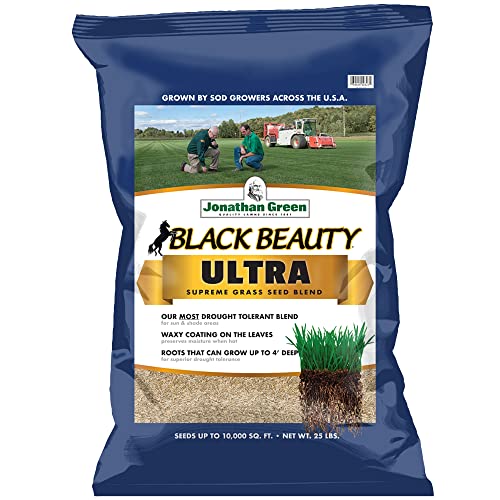
Jonathan Green Black Beauty Ultra

Tall FescueKentucky BluegrassPerennial RyegrassDrought TolerantDisease Resistant

A premium cool-season, tall-fescue-led blend from Jonathan Green, with a manufacturer-stated 80/10/10 species formula — a common starting point for lawns with some shade.
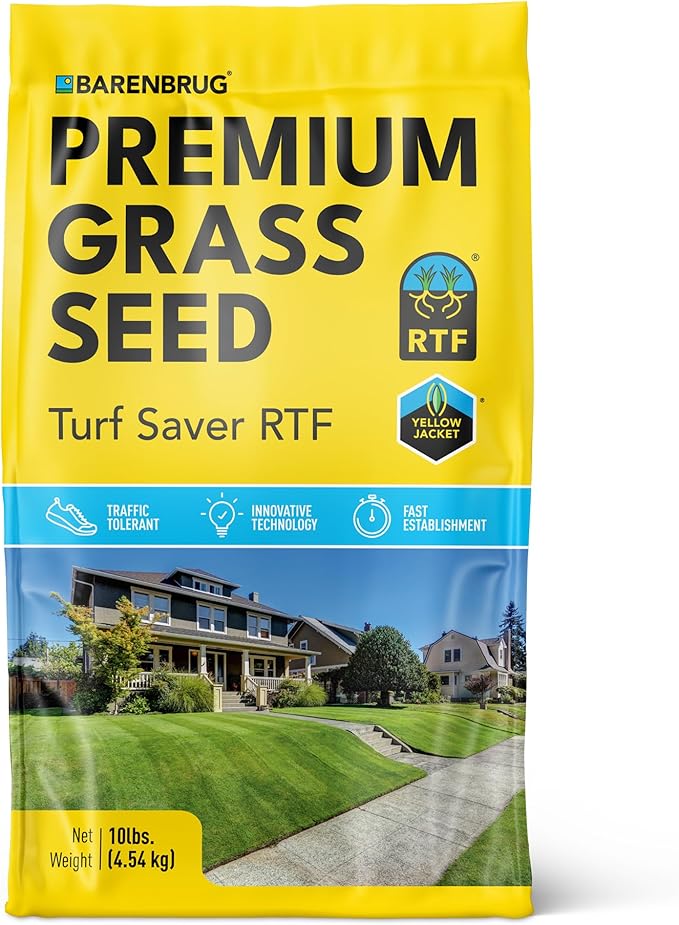
Alphabetical catalog

Product cards intentionally omit catalog ratings, prices, awards, and performance ranks. Retailer links are disclosed commerce exits, not agronomic evidence.
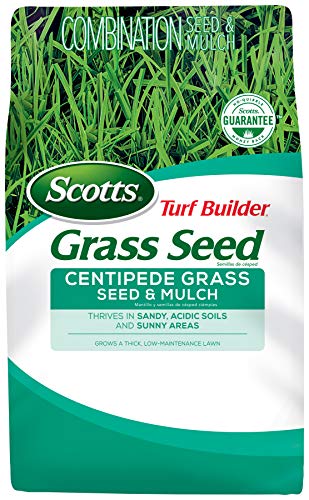
Species-level zone context

Zone guidance is a planning filter, not proof that a named product fits a lawn.
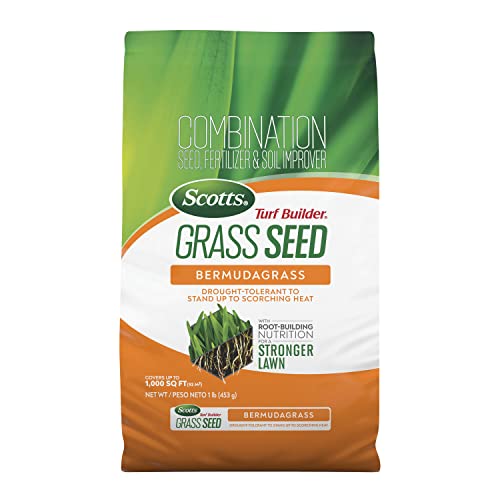
Browse by USDA hardiness zone

Hardiness zone is the #1 factor in picking the right grass seed. Find your zone, then drill into your state.

Zone 3

-40 to -30°F

Northern Plains, Upper MN/WI/ND

Zone 4

-30 to -20°F

Northern Midwest, New England

Zone 5

-20 to -10°F

Mid-Atlantic North, Great Lakes

Zone 6

-10 to 0°F

Mid-Atlantic, Ohio Valley

Zone 7

0 to 10°F

Transition Zone, Mid-South

Zone 8

10 to 20°F

South, Pacific Northwest coast

Zone 9

20 to 30°F

Deep South, California Central

Zone 10

30 to 40°F

Southern FL/CA, Coastal Gulf

Zone 11

40 to 50°F

Tropical Florida Keys, Hawaii


How We Chose These Catalog Entries

This page is a source review of manufacturer material, current package and seed-tag claims, and NTEP or university context where identity and trait match — not a set of hands-on lawn trials. Catalog inclusion means we found a verifiable product identity to report against; it is not a performance verdict.

The highlighted entries above are products we return to often when readers ask where to start looking, chosen for documented species composition, stated traits, and clear catalog identity — not a numeric score, current price, or stock status. Treat every note as dated evidence tied to the package it describes, and confirm the current lot's seed tag before buying.

Read our full evidence methodology for how we classify and limit source claims.


Frequently Asked Questions

When is the best time to plant grass seed?

For cool-season grasses (tall fescue, Kentucky bluegrass, perennial ryegrass), fall is typically the best window — late August through mid-October depending on your zone. Spring (April-May) is the second-best window. For warm-season grasses (Bermuda, Zoysia), plant in late spring through early summer once soil temperatures are consistently above 65 degrees F. Confirm the current window for your zone against your local extension office.

How much grass seed do I need?

Seeding rates vary by species and are printed on the current product label. As a general planning range, new-lawn tall fescue blends commonly call for 8-10 lbs per 1,000 sq ft, and overseeding uses roughly half that. Kentucky bluegrass typically needs less seed by weight (2-3 lbs per 1,000 sq ft for new lawns) because of its smaller seed size. Always check the specific product label for the manufacturer-recommended rate.

What is the difference between cool-season and warm-season grass?

Cool-season grasses (tall fescue, Kentucky bluegrass, ryegrass) are typically grown in northern climates with cold winters and grow most actively in spring and fall. Warm-season grasses (Bermuda, Zoysia, St. Augustine) are typically grown in southern climates and grow most actively in summer heat. In the transition zone (roughly zones 6-7), both types can work depending on your specific site and microclimate.

Is more expensive grass seed worth it?

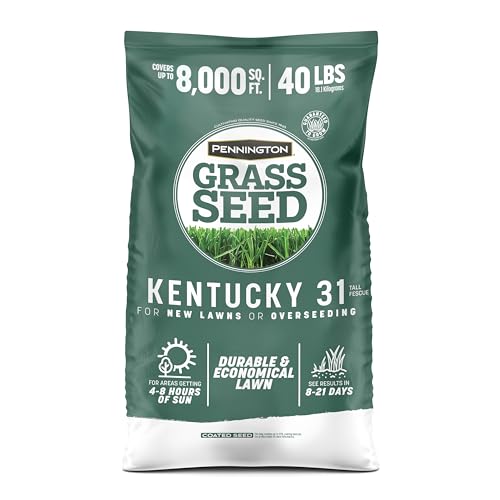
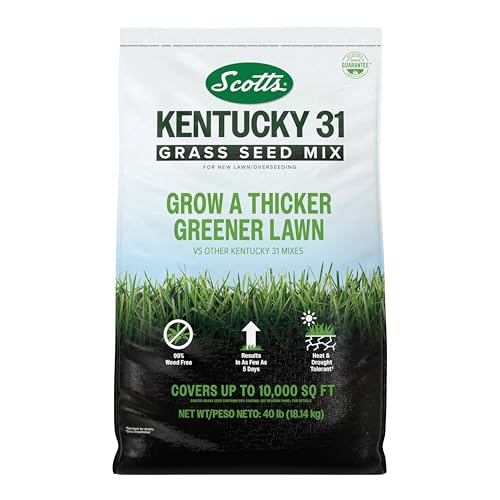
Manufacturers position premium blends like Jonathan Green Black Beauty Ultra as offering stronger genetics, higher stated germination rates, and disease resistance compared with bargain seed such as KY-31, and premium seed typically costs more per pound. Whether that manufacturer positioning pays off on your lawn depends on your soil, climate, and maintenance routine — check the current seed tag and label claims rather than assuming price alone predicts results.

Can I mix different grass seed brands together?

You can, but it is usually unnecessary — most quality blends already combine complementary species. If you do mix, stick to the same grass type: do not combine cool-season and warm-season seed. Mixing two cool-season blends (for example, a tall fescue blend with a Kentucky bluegrass blend) can work if you want the strengths of both, but verify both products against your zone and site conditions first.

Need help choosing?

Our buying guide walks through climate zones, grass types, and use cases to help you narrow the catalog to your lawn.

Fall Overseeding Updates

Know When to Overseed

Join the fall overseeding list for seasonal timing reminders, seed-to-soil preparation, and practical watering guidance.