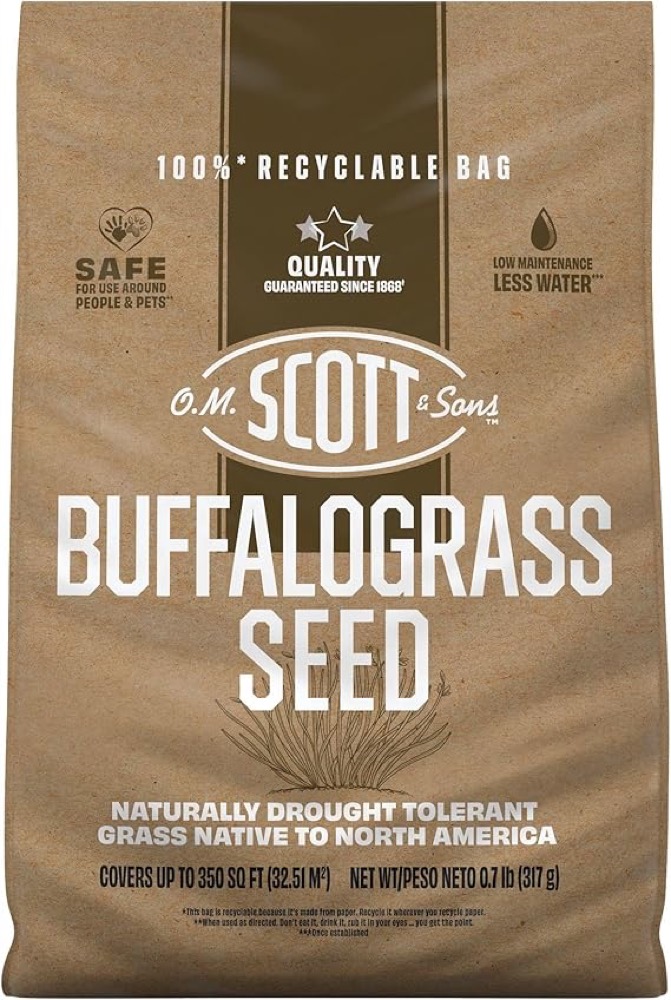
O.M. Scott and Sons Buffalograss Seed (Native, 0.7 lb)
Buy on AmazonLast updated:
Quick Stats
- Warm Season
- Full Sun (6+ hours)
- 4, 5, 6, 7, 8
- 4 lbs per 1,000 sq ft (Scotts label: 0.7 lb covers 175 sq ft)
- 3-4 inches (or unmowed at 4-6 inches)
Verify these figures against the current package before buying or applying.
What's in the Bag
- Buffalograss (Bouteloua dactyloides)on seed tag
Species listed from catalog and manufacturer sources. Exact percentages print on each lot’s seed tag rather than the listing.
The catalog does not verify the current composition — check the seed tag on your bag for the exact species and cultivar percentages, purity, weed seed, germination test date, lot, and net weight before relying on this panel.
Pros & Cons
Pros
- Native to North American shortgrass prairie — survives 15-25 inch annual rainfall without irrigation
- Cuts water bills 60-80% vs. bluegrass/fescue in dry-climate yards
- Low natural growth height (4-6 inches) — minimal mowing required
- Small 0.7 lb test bag lets you trial on 350 sq ft before bulk commitment
- Recyclable paper-bag packaging from Scotts
Cons
- Climate-restricted: thrives only in dry-climate zones 4-8 west of the 100th meridian — fails in humid Southeast
- Slow seeded establishment (8-12 weeks to functional, 2 seasons to full density)
- Cannot tolerate shade or significant foot/pet traffic — not a kid/dog lawn
- Goes dormant brown in winter and during severe drought — sage-green only when active
- Small bag is for testing only — full-yard conversions need bulk seed from specialty suppliers
Catalog pros and cons are not presented as verified product facts. Check the current package and dated source notes before relying on a specific claim.
Fit to verify
High Plains, West Texas, eastern Colorado, and other zones 4-8 dry-climate homeowners who want to trial a low-water native grass on a small test patch before committing. — confirm against your own zone, sun, and soil conditions.
Decision Notes
What this page can establish
The catalog identifies O.M. Scott and Sons Buffalograss Seed (Native, 0.7 lb) and links to source notes where available. It does not establish a current seed tag, lot, seller, price, availability, NTEP result, or product performance in your yard.
Verify before choosing
- - Match the current package contents and application rate to the exact SKU.
- - Check cultivar names against relevant trials only when the identity matches.
- - Confirm local species fit with extension guidance and your site conditions.
- - Confirm seller, bag size, price, and availability at checkout.
Other options to compare
These are comparison links, not ranked substitutes or fit recommendations.
Our Notes
This Scotts buffalograss bag is not a full-yard conversion product. It is a paid test patch, and that is exactly how I would use it. Buffalograss either feels brilliant or disappointing depending on the yard. The difference is usually not the brand on the bag; it is whether the site is full sun, dry-climate, low-traffic, and in the Great Plains or High Plains pattern where buffalograss actually belongs.
Kansas State Extension frames buffalograss as a native prairie grass for low-maintenance lawns that needs less mowing, watering, and fertilizing than traditional turf. It also gives the caution most product listings bury: buffalograss grows best in full sun, thins in semi-shade, barely grows in heavy shade, and has a shorter green season than Kentucky bluegrass or tall fescue. Nebraska Extension says the same basic thing in plainer homeowner terms: this is for hot, sunny, dry conditions, not for every lawn that wants to save water.
That is why the 0.7-pound Scotts size is useful. Scotts' own public coverage claim is 175 sq ft for a new lawn and 350 sq ft for overseeding, so this is a test patch by design. Check the current street price before buying — the per-1,000-sq-ft cost runs well above bulk seed depending on whether you are overseeding or starting bare soil. Expensive, yes, but a cheap failure compared with buying bulk seed for a 4,000 sq ft front yard before you know whether your site can carry buffalograss. I would seed a south- or west-facing test strip first, then watch weed pressure, color, establishment speed, and family tolerance for the gray-green look.
The other reason to start small is label transparency. The public Scotts page gives package size and coverage, but it does not expose the cultivar story the way a specialty buffalo supplier usually does. That matters because buffalograss performance is local: cultivar, seed treatment, soil temperature, weed control, and pure live seed all change establishment. I would treat this as a retail-access convenience bag, not as the final word on the best buffalograss genetics for a whole property.
Pick this over Outsidepride Sundancer only when you are still testing the concept. Sundancer is the better conversion cultivar, but this Scotts bag is a safer toe in the water. Pick buffalograss over tall fescue or Kentucky bluegrass when water restriction and mowing reduction matter more than spring/fall greenness. Pick bermuda instead if you are in a hot, full-sun southern yard that gets traffic and you are willing to mow more often. Pick zoysia instead if you want a denser, prettier warm-season lawn and can afford slower establishment or sod.
The wrong-zone alternatives matter. In humid Georgia, the Carolinas, Tennessee valleys, and most of the Southeast, buffalograss is not the low-water miracle people hope it is; bermuda, zoysia, centipede, or Bahia fit better depending on soil and irrigation. In northern cool-season suburbs with shade, tall fescue or fine fescue is more honest. In Colorado, western Kansas, Nebraska, eastern New Mexico, the Texas Panhandle, Oklahoma panhandle, and similar dry open lawns, buffalograss makes sense.
If the test patch works, I would not automatically scale with this same small bag. At whole-yard size, the price per 1,000 sq ft becomes too punishing, and you should compare bulk Sundancer/Cody, local native-grass suppliers, plugs, or sod depending on what your extension office recommends. The Scotts bag earns its place by reducing the cost of being wrong, not by being the cheapest way to be right across 3,000 square feet.
The big skip-if: children, dogs, shade, or a desire for a dark green lawn from March through November. Buffalograss is a native low-input turf, not a bluegrass impersonator. Scotts makes the trial easy to buy; the lawn still has to earn the conversion over a full growing season.
Editorial catalog notes — not lab-tested results; verify current label facts.
Where to Buy
Commerce links only. Verify the exact item, seller, package, price, and availability on the retailer page.
Community evidence limit
No synthesized testimonial is presented for this product. Community reports may identify questions or recurring patterns, but they do not establish product quality, value, current package identity, performance, or fit without an attributable source and matching evidence.
Seeding Calculator
Catalog rate: 4 lbs per 1,000 sq ft (Scotts label: 0.7 lb covers 175 sq ft). Verify the current label before using this estimate.
Pairs Well With
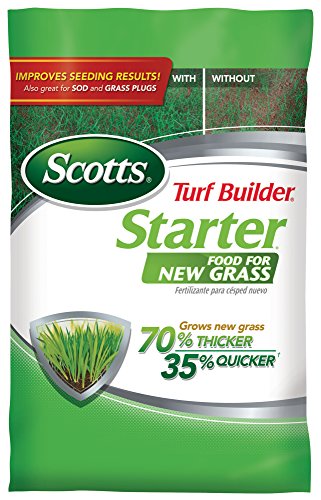 Fertilizer
Product fit is unverified here. Open the evidence notes and confirm the current package for your site and intended use.
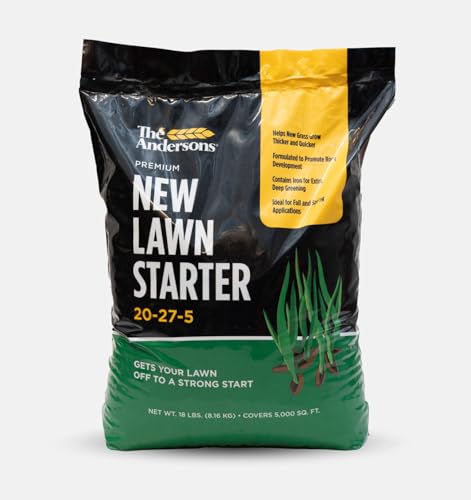 Fertilizer
The Andersons
The Andersons Starter Fertilizer 18-24-12
Product fit is unverified here. Open the evidence notes and confirm the current package for your site and intended use.
Similar Products
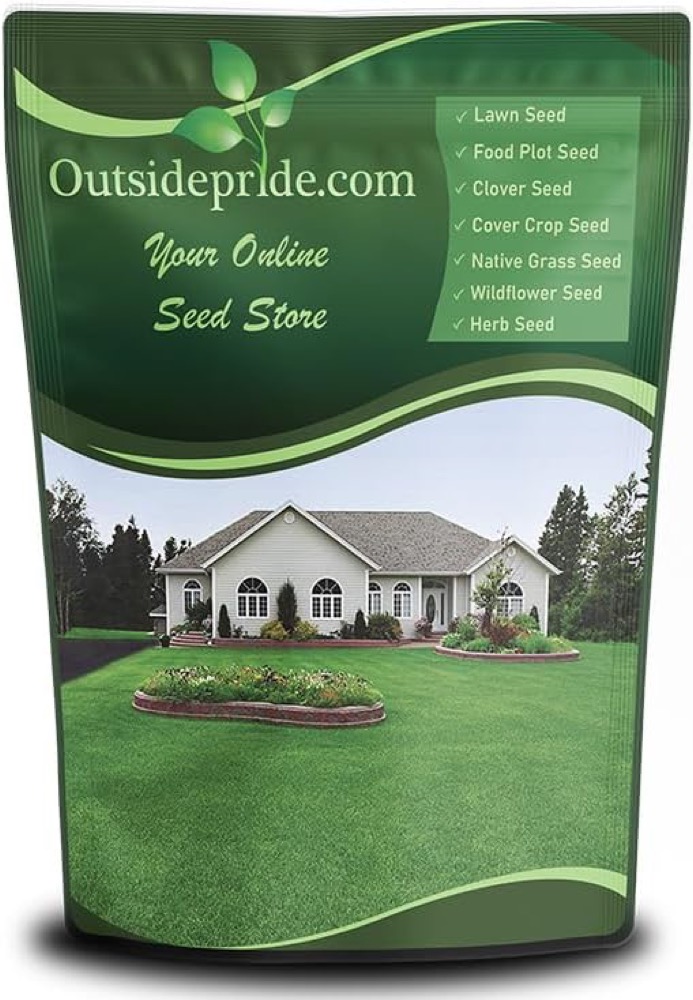 Grass Seed
Outsidepride
Outsidepride Sundancer Buffalograss Seed (2 lb)
Product fit is unverified here. Open the evidence notes and confirm the current package for your site and intended use.
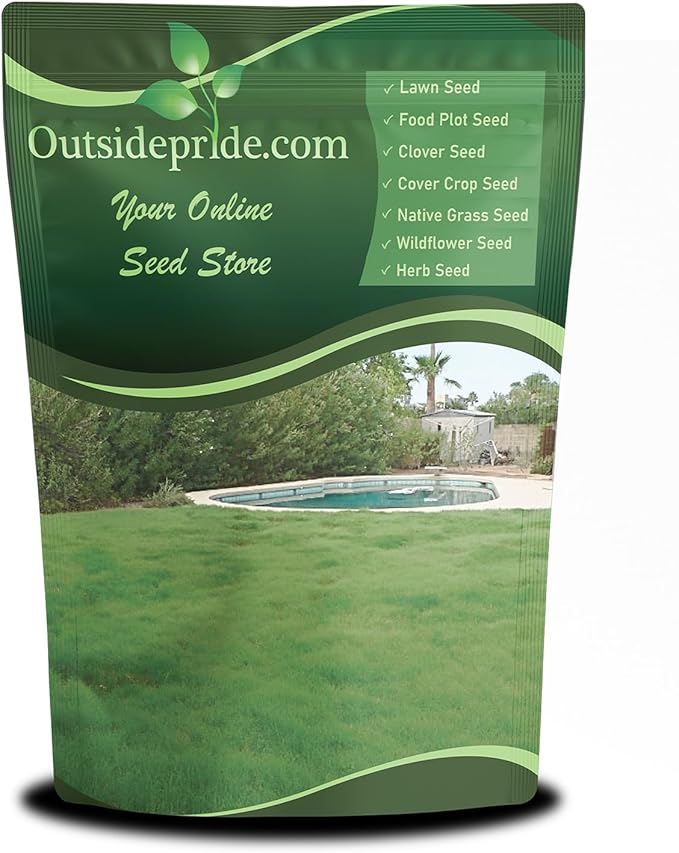 Grass Seed
Outsidepride
Outsidepride Xeriscape Native Prairie Grass Mix
Product fit is unverified here. Open the evidence notes and confirm the current package for your site and intended use.
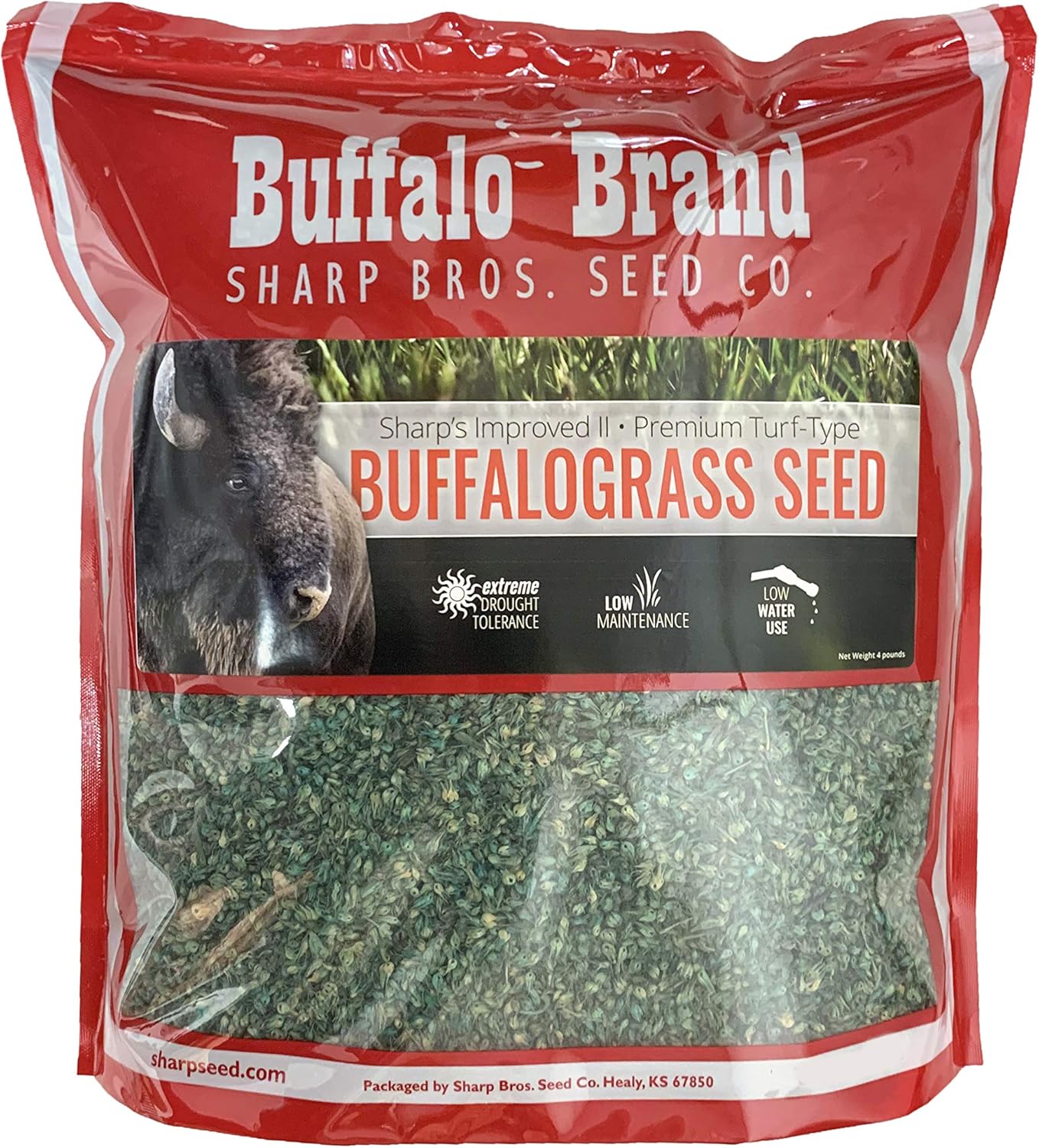 Grass Seed
Sharp Bros. Seed Co.
Sharp's Improved II Buffalo Grass
Product fit is unverified here. Open the evidence notes and confirm the current package for your site and intended use.