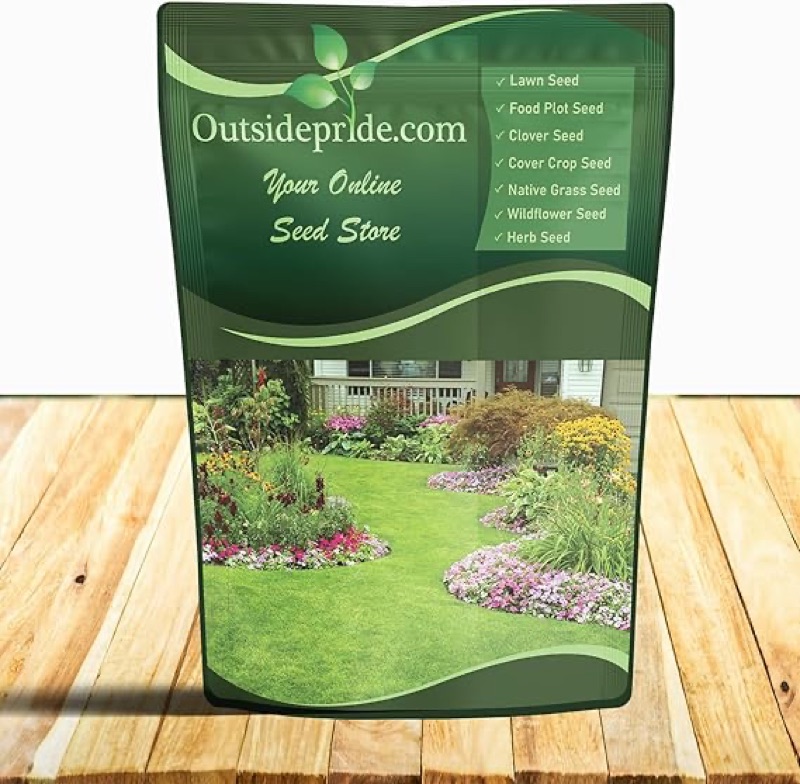
Outsidepride Pensacola Bahia Grass Seed (Coated, 5 lb)
Buy on AmazonLast updated:
Quick Stats
- Warm Season
- Full Sun (6+ hours)
- 7, 8, 9, 10
- 4-8 lbs per 1,000 sq ft (coated seed)
- 3-4 inches
Verify these figures against the current package before buying or applying.
What's in the Bag
- Pensacola Bahiagrass100%
Percentages from a representative guaranteed-analysis label or manufacturer spec — exact numbers vary slightly by lot.
The catalog does not verify the current composition — check the seed tag on your bag for the exact species and cultivar percentages, purity, weed seed, germination test date, lot, and net weight before relying on this panel.
Pros & Cons
Pros
- Survives extreme drought once established — 7-10 ft root system reaches deep water in sandy soils
- Thrives in acidic, sandy, low-fertility Gulf Coast and Florida soils where bermuda and zoysia struggle
- Coated seed improves germination in dry sandy conditions vs. raw Bahia seed
- Lowest-input warm-season grass option for unirrigated southern lots and pastures
- Pensacola variety is more cold-hardy than Argentine — viable into zone 7 with winter dieback
Cons
- Coarse, rough-textured turf with persistent Y-shaped seedheads — not a manicured lawn
- Slow germination (14-28+ days) and 8-12 week establishment requires patience
- Cannot tolerate shade — needs full sun (6+ hours direct)
- Coating adds 30-40% inert weight, so $/lb is misleading vs. raw seed prices
Catalog pros and cons are not presented as verified product facts. Check the current package and dated source notes before relying on a specific claim.
Fit to verify
Florida, Gulf Coast Texas, and coastal Georgia homeowners with sandy soil who prioritize survival over appearance — or pasture/roadside applications where Bahia's drought tolerance is the entire point. — confirm against your own zone, sun, and soil conditions.
Decision Notes
What this page can establish
The catalog identifies Outsidepride Pensacola Bahia Grass Seed (Coated, 5 lb) and links to source notes where available. It does not establish a current seed tag, lot, seller, price, availability, NTEP result, or product performance in your yard.
Verify before choosing
- - Match the current package contents and application rate to the exact SKU.
- - Check cultivar names against relevant trials only when the identity matches.
- - Confirm local species fit with extension guidance and your site conditions.
- - Confirm seller, bag size, price, and availability at checkout.
Other options to compare
These are comparison links, not ranked substitutes or fit recommendations.
Our Notes
Bahia is the right answer to a very specific question: I live in Florida, the Gulf Coast, coastal Georgia, or south Texas; the soil is sandy and acidic; I do not have irrigation; and survival matters more than a manicured front-yard look. If that is your situation, Pensacola Bahia is one of the few seed choices that makes practical sense. If that is not your situation, this is a seed to skip, not a bargain to force.
UF/IFAS describes bahiagrass as a low-input Florida lawn grass that persists in infertile sandy soils, prefers acidic soil, and does not produce the dense carpet homeowners expect from zoysia, St. Augustine, or improved bermuda. That matches my read of this Outsidepride bag. It is not trying to be a premium ornamental lawn. It is pasture-origin turf for hard sites: large rural lots, road edges, lake properties, low-budget Florida lawns, and sandy backyards where irrigation is not coming.
Pensacola is the rougher but tougher Bahia choice. UF/IFAS notes that Pensacola has an extensive root system and good hot/cold stress tolerance, but also more seed heads than Argentine. That is the tradeoff. I would pick Pensacola when drought survival and seed availability matter more than uniform turf. I would pick Argentine Bahia, sod, or another warm-season grass if the front-yard look matters. The constant Y-shaped seed heads are not a small annoyance; they set your mowing schedule in summer.
The coated seed format is helpful for a homeowner using a broadcast spreader on sandy soil, but it makes the math easy to misread. At 4-8 pounds per 1,000 sq ft, a 5-pound bag realistically covers about 625-1,250 sq ft for a new seeding. Check the current street price before buying — the per-1,000-sq-ft cost swings meaningfully with bag price, before starter fertilizer, lime if a soil test calls for it, and water during germination. For a 5,000 sq ft new lawn, expect four to eight bags, not one.
That math is why I would not use this as a cheap patch product unless the existing lawn is already Bahia. If the surrounding turf is bermuda, centipede, zoysia, or St. Augustine, Bahia patches will announce themselves forever: lighter color, taller seed stalks, and a rougher texture. The better patch is the same species already in the lawn, or sod if the warm-season grass does not establish well from seed. Bahia makes sense when you are committing to a survival lawn, not when you are trying to hide a thin spot in a prettier lawn.
Plant something else if you are outside the Bahia belt. In North Texas transition-zone yards, common bermuda or zoysia is usually a cleaner lawn. In shaded Florida yards, St. Augustine sod is more realistic than Bahia seed. In Tennessee, Virginia, Kentucky, and the upper transition zone, tall fescue or zoysia beats Bahia for most residential lawns. In alkaline western soils, buffalograss is the better low-water seed. Bahia is excellent when the site is right and ugly when the site is wrong.
My final check before buying would be soil and maintenance honesty. Bahia tolerates low fertility, but establishment still needs seed-to-soil contact, warm soil, and steady moisture. It should be mowed higher than many seller blurbs imply; I would follow extension-style 3-4 inch mowing guidance, then accept that seedheads may still show fast in summer. If you are already irritated reading that, do not buy Bahia. If you are relieved by the idea of a grass that survives neglect, this bag belongs on the shortlist.
The use-case fit is simple: choose this for full sun, sandy or low-fertility soil, low irrigation, low expectations for texture, and a willingness to mow seed heads. Do not choose it for a show lawn, a shaded backyard, a dog-heavy play lawn, or a homeowner association street edge where uniform color matters. Outsidepride gets the product into a convenient homeowner bag; Bahia itself sets the limits.
Editorial catalog notes — not lab-tested results; verify current label facts.
Where to Buy
Commerce links only. Verify the exact item, seller, package, price, and availability on the retailer page.
Community evidence limit
No synthesized testimonial is presented for this product. Community reports may identify questions or recurring patterns, but they do not establish product quality, value, current package identity, performance, or fit without an attributable source and matching evidence.
Seeding Calculator
Catalog rate: 4-8 lbs per 1,000 sq ft (coated seed). Verify the current label before using this estimate.
Pairs Well With
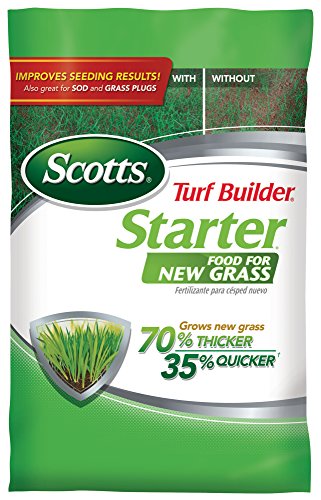 Fertilizer
Product fit is unverified here. Open the evidence notes and confirm the current package for your site and intended use.
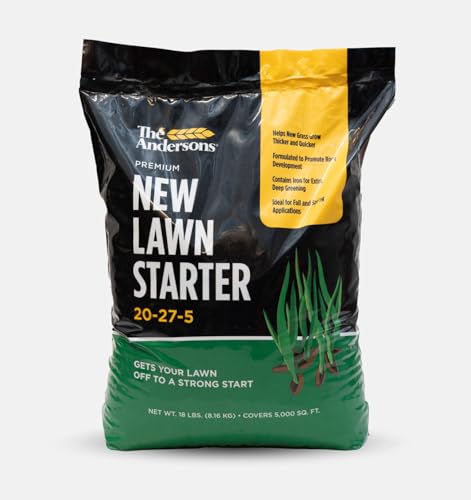 Fertilizer
The Andersons
The Andersons Starter Fertilizer 18-24-12
Product fit is unverified here. Open the evidence notes and confirm the current package for your site and intended use.
Similar Products
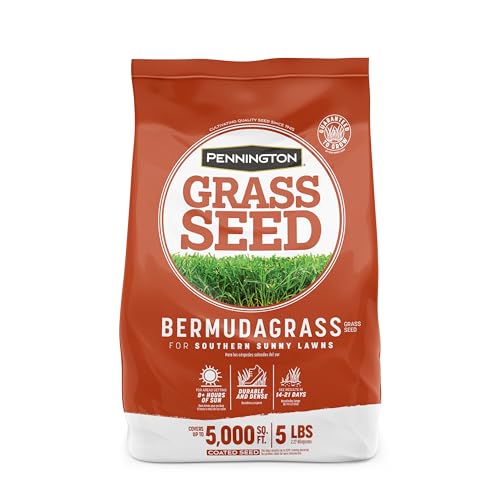 Grass Seed
Pennington
Pennington Smart Seed Bermudagrass
Product fit is unverified here. Open the evidence notes and confirm the current package for your site and intended use.
 Grass Seed
Product fit is unverified here. Open the evidence notes and confirm the current package for your site and intended use.
 Grass Seed
Product fit is unverified here. Open the evidence notes and confirm the current package for your site and intended use.