Argentine Bahia Grass Seed
Buy on AmazonLast updated:
Quick Stats
- Warm Season
- Full Sun (6+ hours)
- 8, 9, 10
- 8-10 lbs per 1,000 sq ft
- 3-4 inches
Verify these figures against the current package before buying or applying.
What's in the Bag
- Argentine Bahiagrasson seed tag
Species listed from catalog and manufacturer sources. Exact percentages print on each lot’s seed tag rather than the listing.
The catalog does not verify the current composition — check the seed tag on your bag for the exact species and cultivar percentages, purity, weed seed, germination test date, lot, and net weight before relying on this panel.
Pros & Cons
Pros
- Thrives in sandy, acidic soils where other grasses struggle
- Extremely drought tolerant with deep root system
- Very low fertilizer requirements — 2-3 applications per year
- Naturally pest and disease resistant in Southeast climates
- Argentine variety is noticeably better-looking than common Pensacola
Cons
- Produces weedy-looking Y-shaped seed heads between mowings
- High seeding rate means small bag covers limited area
- Coarser, more open texture than bermuda or zoysia
- Only 29 Amazon reviews — limited consumer feedback
- Not cold-hardy — strictly zones 8-10
Catalog pros and cons are not presented as verified product facts. Check the current package and dated source notes before relying on a specific claim.
Fit to verify
Florida and Gulf Coast homeowners who want a tough, no-fuss lawn that handles sandy soil and drought like a champion. — confirm against your own zone, sun, and soil conditions.
Decision Notes
What this page can establish
The catalog identifies Argentine Bahia Grass Seed and links to source notes where available. It does not establish a current seed tag, lot, seller, price, availability, NTEP result, or product performance in your yard.
Verify before choosing
- - Match the current package contents and application rate to the exact SKU.
- - Check cultivar names against relevant trials only when the identity matches.
- - Confirm local species fit with extension guidance and your site conditions.
- - Confirm seller, bag size, price, and availability at checkout.
Other options to compare
These are comparison links, not ranked substitutes or fit recommendations.
Our Notes
If you live in Florida or along the Gulf Coast, you've seen bahia grass whether you know it or not. It's everywhere — roadsides, pastures, and a surprising number of home lawns. And there's a good reason: nothing handles Florida's sandy, acidic, nutrient-poor soils quite like bahia.
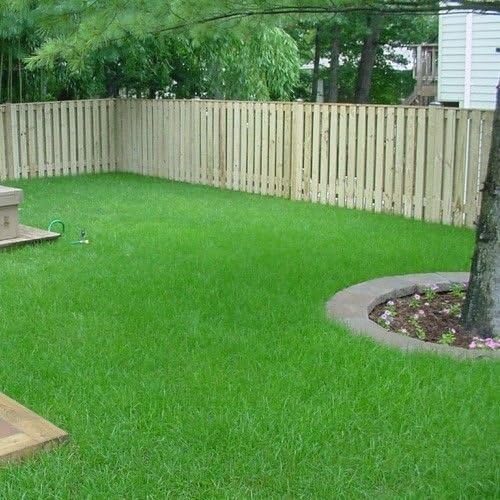
Argentine is the premium variety, and it's noticeably better-looking than the common Pensacola type. The blades are wider, darker green, and produce a denser turf. It won't win any beauty contests against a well-maintained bermuda or zoysia lawn, but for a low-input grass in the deep South, Argentine bahia looks genuinely good.
The root system is the real story. Bahia sends roots deep — really deep — which is why it survives Florida's dry springs and sandy soil that drains water like a sieve. Once established, you can essentially stop supplemental watering except during extreme drought. It also needs minimal fertilizer (2-3 applications per year at most) and naturally resists most diseases and pests common to the Southeast.
The downsides are worth knowing. Bahia produces tall, Y-shaped seed heads that pop up between mowings and look weedy if you don't stay on top of them. The seeding rate is high (8-10 lbs per 1,000 sq ft), so the 2 lb bag only covers about 200-250 square feet — you'll likely need to order multiple bags for a full lawn. And bahia doesn't form a tight, dense turf like bermuda; it's more open and coarse in texture.
Check the current per-bag price before buying — with a seeding rate this high, cost adds up fast for larger lawns even when the per-bag price looks reasonable. Still, for the right application — a Florida or Gulf Coast yard with sandy soil, full sun, and an owner who wants minimal maintenance — Argentine bahia is a smart, practical choice that'll outlast fussier grass types every time.
Editorial catalog notes — not lab-tested results; verify current label facts.
Where to Buy
Commerce links only. Verify the exact item, seller, package, price, and availability on the retailer page.
Community evidence limit
No synthesized testimonial is presented for this product. Community reports may identify questions or recurring patterns, but they do not establish product quality, value, current package identity, performance, or fit without an attributable source and matching evidence.
Seeding Calculator
Catalog rate: 8-10 lbs per 1,000 sq ft. Verify the current label before using this estimate.
Pairs Well With
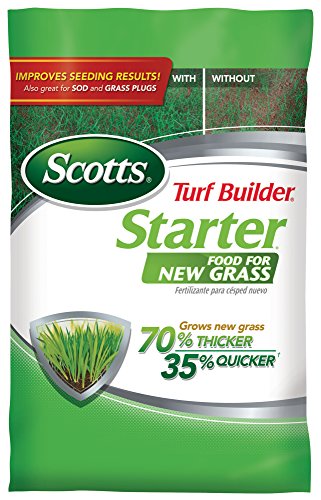 Fertilizer
Product fit is unverified here. Open the evidence notes and confirm the current package for your site and intended use.
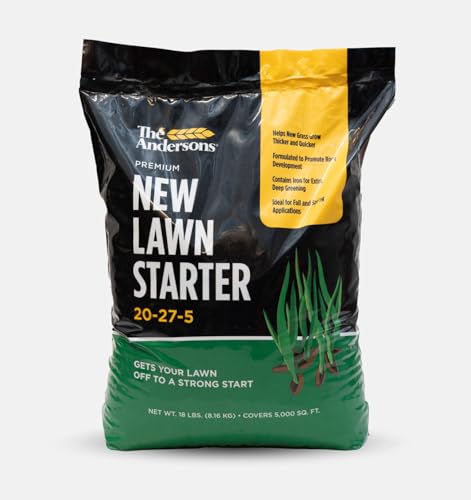 Fertilizer
The Andersons
The Andersons Starter Fertilizer 18-24-12
Product fit is unverified here. Open the evidence notes and confirm the current package for your site and intended use.
Similar Products
 Grass Seed
Product fit is unverified here. Open the evidence notes and confirm the current package for your site and intended use.
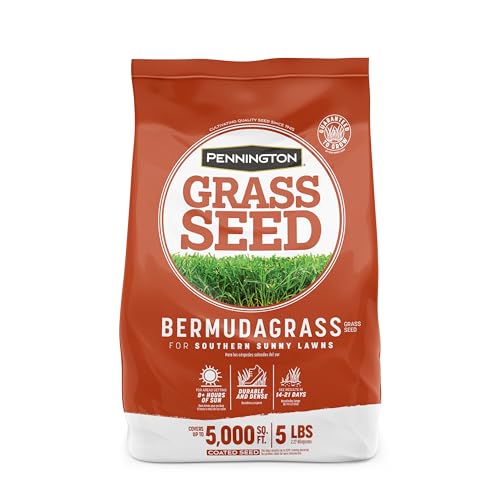 Grass Seed
Pennington
Pennington Smart Seed Bermudagrass
Product fit is unverified here. Open the evidence notes and confirm the current package for your site and intended use.
 Grass Seed
Product fit is unverified here. Open the evidence notes and confirm the current package for your site and intended use.